- Home
- Skin Care Articles
- Anti-Aging Skin Care Products
Anti-Aging Skin Care Products
The incredible evolution
Article contributed by Oxana Strelnikova, a biologist and clinical authority on youth-enhancing cell-based beauty products.

A millennia of evolving skin care treatments and techniques.
From Cleopatra's use of natural ingredients like milk, honey and rose water to enhance her allure to ancient Asian beauty practices to the science of the 21st century.
Anti-Aging Skin Products and the inclusion in the formulations that feature quite a range of never-been-used-before active ingredients has gained quite a bit of attention during the last 10 years as concern for skin rejuvenation increases.
Developments within this industry has been influenced by many factors.
The primary reason for the incredible expansion of facial rejuvenation treatments can be attributed to:
- Competition among the major brands
- Introduction of new technologies
- New ingredients
- Worldwide increase in demand for the so-called "rejuvenating beauty cosmetics"
Clearly, people have no intentions of putting up with aging skin!
Today they are turning to alternative therapies and anti-aging products skin care products; however, they will not spend money on products which do not produce the wished results.
The first anti-aging skin care products appeared during the late 1980s.
The first liposome ingredient delivery system was part of first-generation anti-aging skin care products.
David Jago, an expert in the market analysis for MINTEL, evaluates the changes, which have taken place since then: "At present, the special properties, ingredients and benefits of the anti-aging skin care products are clearly shown on the label. In the late 1980s, it was only said that those products were firming, softening the skin, reducing lines etc., but their functional ingredients were usually not disclosed."
The evolution of anti-aging ingredients begins in earnest. . .
Today's press often informs us of specific ingredients and their benefits, thus contributing to the consumers' education. As a result, there appeared a category of anti-aging skin care products intended for specific age groups or needs. Usually, women aim at making their aging skin look younger, or their young skin healthier.
In the beginning of 1990s, many anti-aging skin care ingredients have been studied. The most important of those, Alpha Hydroxyl Acids (AHA), became the first ingredients to affect the aging skin.
Then the Revolution. . .
In the beginning of 1990s, many anti-aging skin care ingredients have been studied. The most important of those, Alpha Hydroxyl Acids (AHA), became the first ingredients to affect the aging skin.
Sally Penford, of the International Dermal Institute, a postgraduate training school for therapists, comments: "It stimulated women to start considering cosmetic surgery, glycolic acid peels and laser skin treatments".
Another "great revolution" in antiaging skin care has been in the use of A, C and E vitamins, as well as group B vitamins and main fatty acids - they all have a special role of agents preventing premature aging.
Of course, they do not make miracles but can support the good condition of the skin.
As skin ages and is repeatedly exposed to harmful UV rays, the level of vitamin A, produced in the body, constantly decreases. The skin renewal process slows down and the epidermal layer becomes progressively thinner.
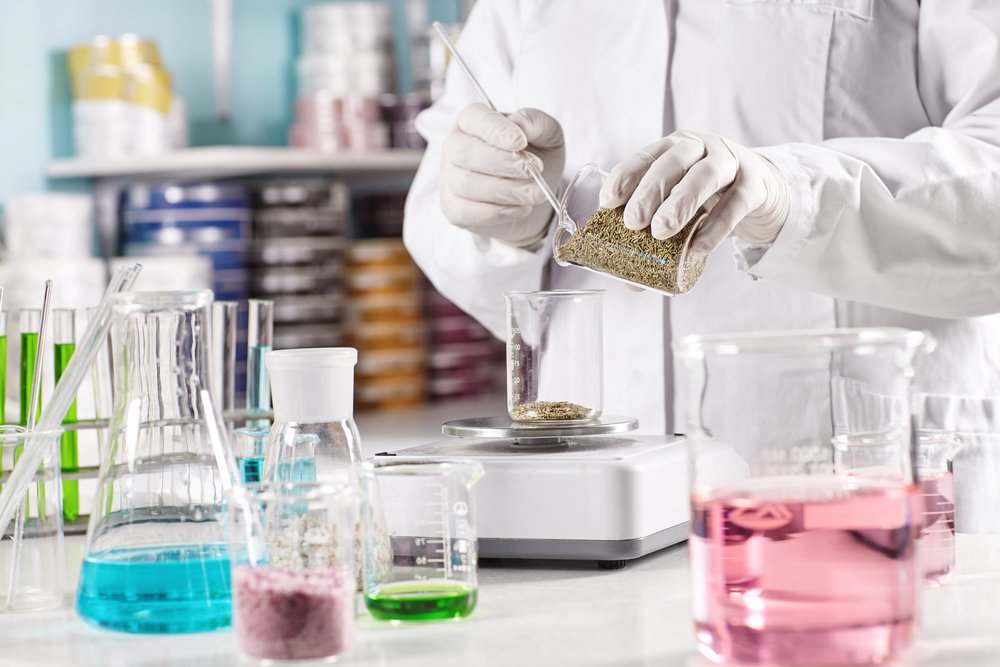
Some of the research of the ingredients, such as vitamin C, was held in 1990s.
Further, scientists identified two key chemical "helpers" to assist in the delivery of vitamin C through the skin.
Signaling a break-through in the science of anti-aging skin care.
The formulations derived from it led to the development of anti-aging skin care products, containing vitamin C and products, which contained a combination of vitamin C and pure Retinol.
Research studies into more effective facial rejuvenation methods continued the evolution of a new range of anti-aging products emerged.
What happened next. . .
Until recently, it has been extremely hard to combine both Retinol and vitamin C together in a stable formulation as both ingredients are easily oxidized when exposed to the air, becoming inactive.
In 1990s this type of skin care was already produced all over the world.
Further on, a great deal of interest in the antioxidants has been shown. A lot of studies have been done which show that protecting the skin can delay the onset of aging.
The SUVIMAX studies in France showed that the use of antioxidants on the skin slows down the aging process. It is also possible to reduce lines and improve skin firmness. Benefits of antioxidants were detected in grape seeds extracts. After that, cosmetic companies started using these benefits in their skin care products.
Grape polyphenols are natural compounds derived from green grape seed extract which have been shown to have a powerful antioxidant effect. They shield the skin from the aggression of a wide range of free radicals and are known to help maintain the skin's moisture levels.
In the middle of 1990s Estee Lauder has completed research into understanding more about skin cells losing energy. Dr. Maes, Vice-President Research and Development, Estee Lauder Worldwide, explains: "We cannot make the skin look like when it was in youth."
"Technologies can decrease the lines by 50%, but we will never decrease them by 100%."
Estee Lauder further explains, "We have studied skin samples and found that its thickness is already decreasing from the age of 20. In biological terms, if the cells are losing energy, they will also lose their ability to protect themselves against the environment." He compares this loss of energy to that of a battery running low which needs to be recharged.
Thus, to slow down aging and protect the skin cells, manufacturers started using antioxidants, sunscreens and skin energizing technologies to "recharge" cells. They are described as next generation skin nourishers that enable skin to tap into a fuel source of bio-available micro-nutrients.
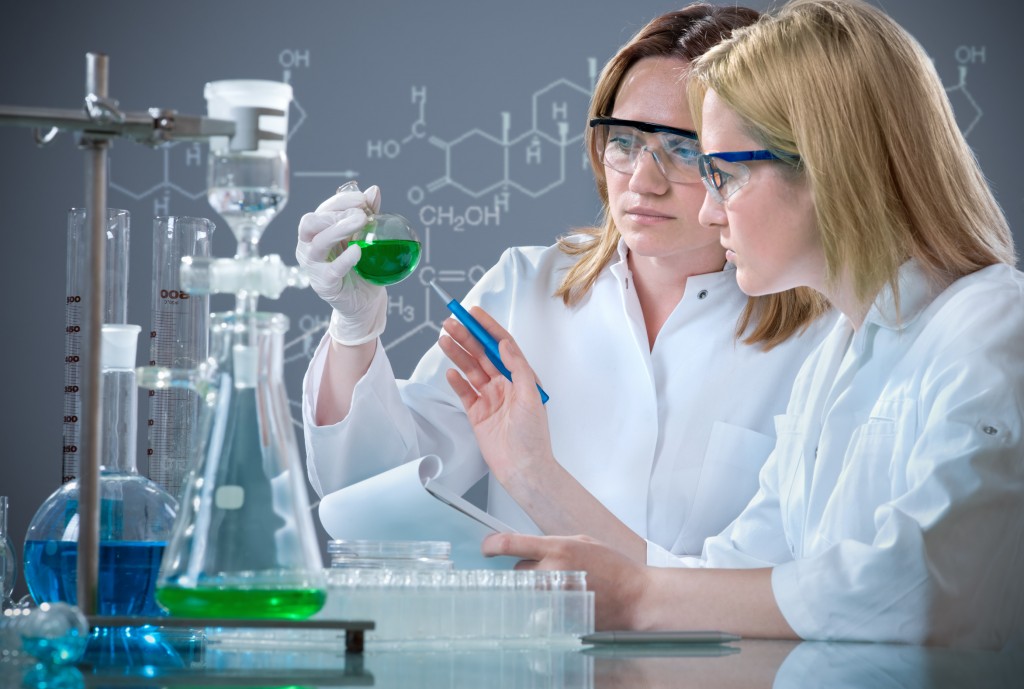
The scientists have studied different types of skin aging and it means that they are capable of developing anti-aging skin care products which will effectively abate aging. It is recognized that 90% of skin damage is caused by external environmental aging. This includes smoking, wind, chemicals, and, most importantly, UV radiation.
The level of pollution increases so quickly that skin cells cannot develop self-protection mechanisms. Free radicals or oxidants are naturally generated in the body as a reaction to the aggression of external, environmental factors as well as internal factors such as stress and tiredness. A consequence of this aggression is an acceleration of the skin's aging process.
Most of skin damage is done in the early years and people do not see the results of this until they are in their forties and fifties. The reason for this is due to the skin's chronological aging, which we can do nothing about. Internal, chronological aging is largely a consequence of genetics and affects skin all over the body.
Modern scientific research in skin care and the growing knowledge of the skin's physiology mean that it is possible to stop and even repair skin damage which occurs later on in life. Thus, the latest thinking and research is focused on developing skin protection not from a plain Sun Protection Factor but from the cells themselves.
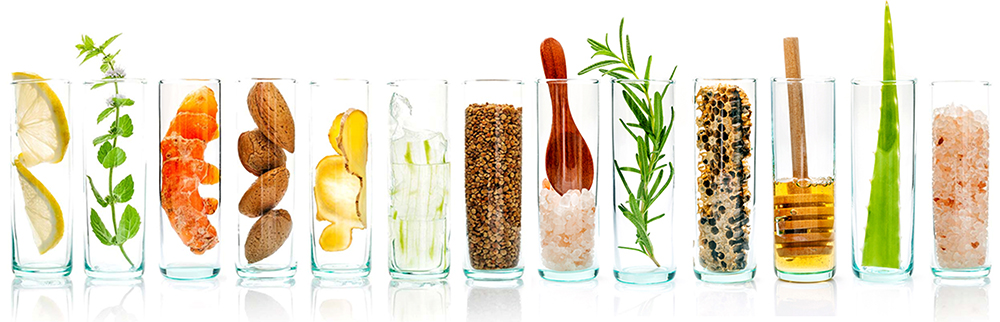
The case in point is a new area of cosmetology and anti-aging skin care products of modern generation of late 1990s, which are based on animal and plant cell extracts that have lately drawn much attention of scientists.
Cells can segment themselves and reproduce identical copies, replace old skin cells by new ones of the same type, take part in biochemical skin processes.
Lifetime Self-Rejuvenation:
This is what we call lifetime self-rejuvenation. The strides made in anti-aging technology over the past decade have been astounding and clearly show no signs of abating. We can be certain that there will be many more exciting achievements in anti-aging skin care products and the related technology to come.
Stem cell technology marks the next generation in anti-aging skin care products. though, buyer beware, the FDA has an extremely strict approval process for stem cell therapies.
The next generation in anti-aging skin care products. . .
Author:
Oxana Strelnikova focused research on cell enhanced skin care and beauty products advocates that the future of a proven way to rejuvenate your skin and keep it looking great for years has arrived with stem cell and animal placenta technology to treat aging skin.
Search for other anti-aging treatments with a specific skin rejuvenation ingredient. . .

Quick Search:
Search This Site:
Recent Articles


-
Best Acne Treatment Products for Adults | The Products that Work!.
Feb 22, 24 02:43 PM
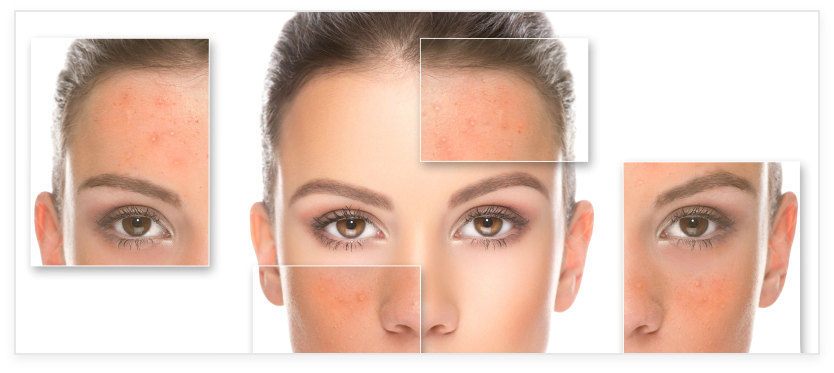 Use the best acne treatment products that work! Treating adult acne depends on skin type and other factors with a wide range of effective options like these:
 -
CBD for Skin Care
Aug 12, 22 12:57 PM
 CBD for Skin Care How to Relax with Beauty & CBD Oil Skin Care Let’s face it: many of us get stressed easily. Things come up at home, work or in our
 -
Baking Soda for Skin
Aug 12, 22 12:54 PM
 Baking for Skin Treatments? Of course! Baking soda is one ingredient that you will always find in your kitchen cabinet but have your ever thought of







Each and every day someone asks me how a severely technologically challenged "e"lliterate like me built a website like this and manages to earn (lots) of extra income to boot.
Well, you start with a pair of very comfy PJ's, a computer and a few hours a week.
(Geesh! If I did it, then for goodness sakes anyone can, even you. . .)
Here's how to turn my "Website Success" story into one of your very own!